

METHOD AT A GLANCE
The numbers before you start
This is the operational baseline: heat, time, equipment, size, form, and batch discipline. Exact timing still moves with shrimp size, starting temperature, shell state, and appliance.
Set the cooking environment before shrimp enter it.
Use the clock to know when to start checking—not as permission to ignore the shrimp.
The right vessel makes temperature control easier.
Size changes the margin between surface result and an overcooked center.
Shell and processing state can materially change execution.
Batching is part of the method, not a cleanup detail.
THE METHOD ITSELF
How to nail boil & drain
Boiling is fast because water surrounds every surface at once. The method is therefore defined less by getting heat into the shrimp than by controlling when that heat stops.
The boil-and-drain method
Build the pot first
Season the liquid and cook any potatoes, corn, sausage, aromatics, or spices before shrimp enter. Shrimp should be one of the final ingredients.
Bring enough liquid to a real boil
Use a generous pot so the temperature does not collapse when cold shrimp go in. The water should taste intentionally seasoned before the shrimp arrive.
Add shrimp and control the boil
Add one size grade at a time. Stir once to distribute, then reduce the burner if the water is violently rolling; aggressive boiling adds turbulence without improving doneness.
Start checking early
For 21/25 shrimp, begin checking around 2 minutes. Smaller 26/30 shrimp may finish earlier; 16/20 can need closer to 3–4 minutes.
Drain the second they are done
Do not let shrimp sit in the hot pot while you arrange the serving platter. Drain immediately when the thick end is opaque and the texture is firm.
Stop carryover deliberately
For cocktail or chilled shrimp, transfer straight into an ice bath, then drain again. For hot service, spread shrimp out instead of leaving them heaped in a steaming colander.
TIMING & DONENESS
Know when to stop
Shrimp is opaque through the thick end and firm but not tightly curled. Drain immediately. For a thermometer-based safety check, use 145°F / 63°C.
Large enough to tolerate a seasoned boil; shell-on gives extra margin.
Start checking at 2 minutes rather than waiting for a dramatic curl.
Smaller shrimp move through the doneness window quickly.
What good looks like
TROUBLESHOOTING
Method-specific failure modes
These are the mistakes that belong to this cooking method—not another repetition of generic thawing advice.
Tough cocktail shrimp
The usual cause is not the boil itself—it is leaving cooked shrimp in hot water or a steaming colander after they are done.
Mixed doneness
Different size grades were cooked together or the pot was too small to recover after the shrimp were added.
Bland despite lots of spice
The cooking liquid was not seasoned before the shrimp went in, or the shrimp spent too little time in a pot whose base had no flavor.
Recovery: You cannot reverse an overcooked batch. For the next one, stage the drain and ice bath before adding shrimp and pull the pot earlier than instinct suggests.
MAKE IT TONIGHT
Recipes that use boil & drain
These published Playbooks are mapped to this method. Open a recipe for its ingredients, preparation and image details.
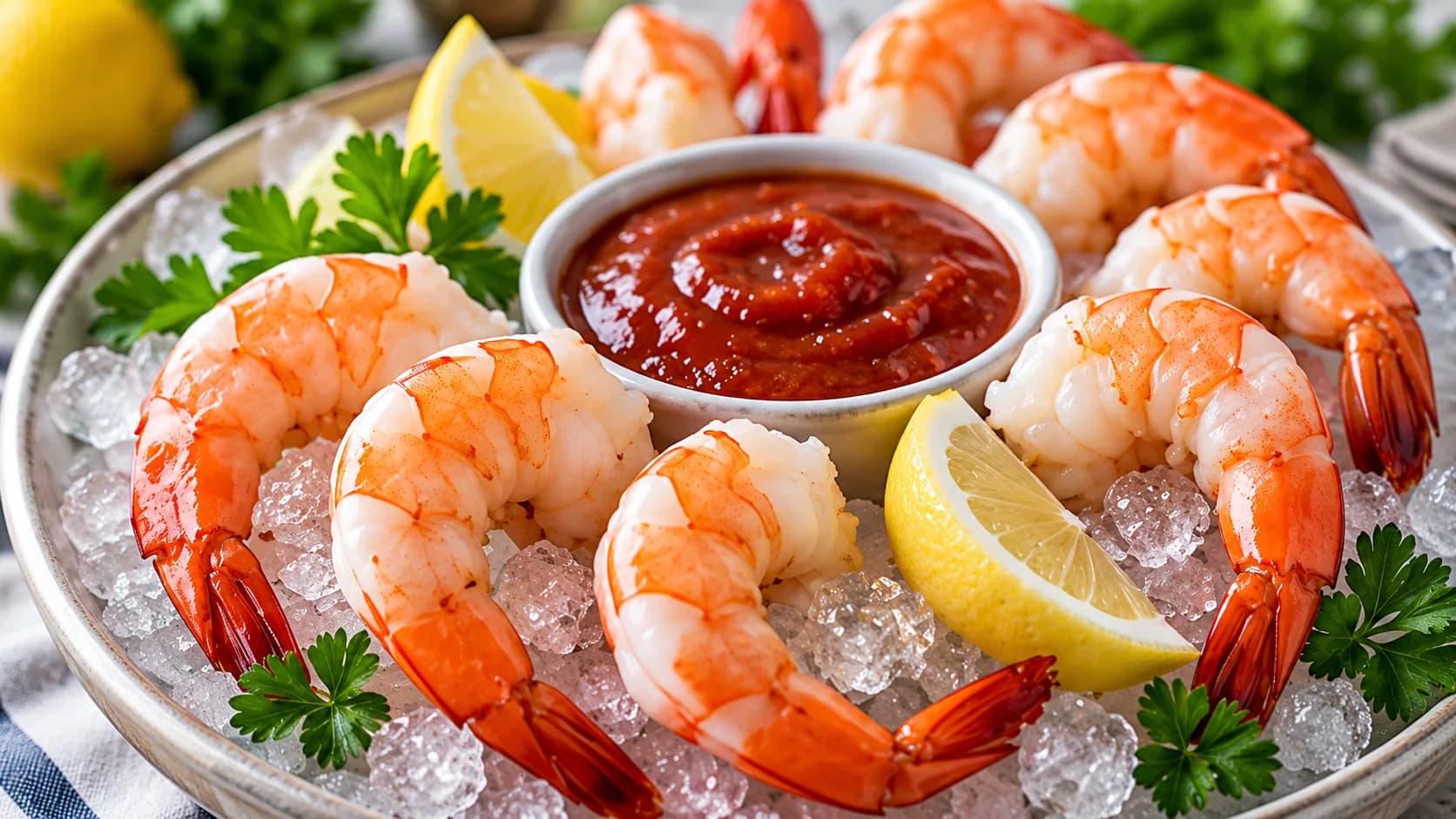
Classic Shrimp Cocktail
Plump chilled shrimp with real snap, cooked in a seasoned pot below a hard boil and paired with a horseradish-heavy cocktail sauce that actually tastes alive.
Open →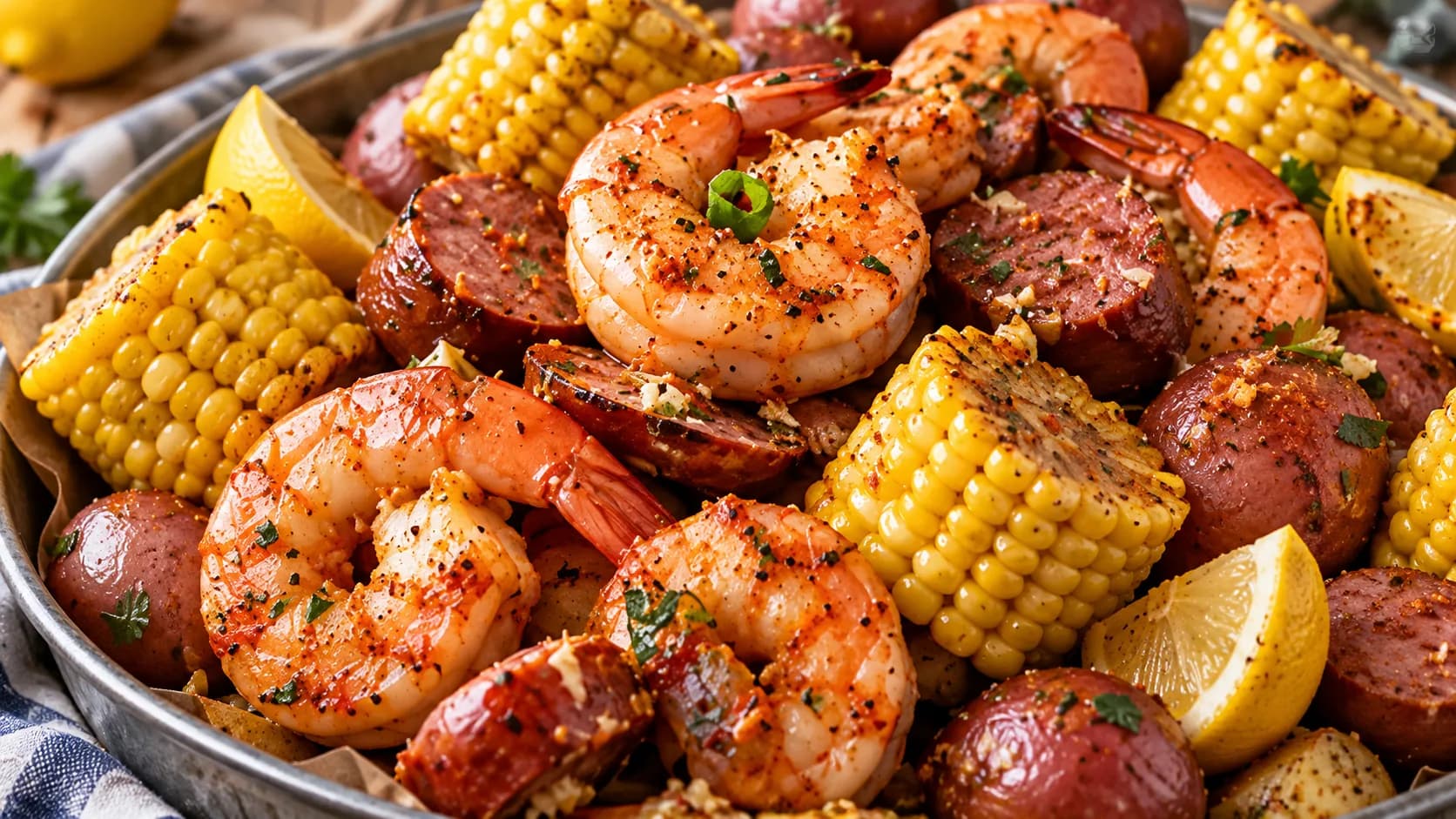
Lowcountry Shrimp Boil
Potatoes, corn and smoky sausage in a boldly seasoned pot — with the shrimp added only at the very end so they stay plump instead of paying for everyone else’s cook time.
Open →SPECIES INTERSECTION
Which shrimp fit this method?
Now that the technique is explicit, species fit has context. Good matches provide enough size, structure, or handling margin for this method; watch and avoid states stay visible.
No special watch state recorded.
PRODUCT INTERSECTION
Real bags that fit
These catalogue products clear the method recommendation. Product processing still has the final say, so each bag opens into its own full verdict.
PROCESSING INTERSECTION
Processing can change the answer
A species can be a good fit while a specific bag is not. These processing states are the ones the recommendation engine treats as relevant to this method.
Hardness is an integral of time at temperature, and cook loss, shrinkage and hardness correlate at 97.8, 92.3 and 88.4 percent. Every reheat moves further up the same monotonic curve and nothing re-hydrates. The only technical route back is very prolonged braising, which softens via collagen-to-gelatin at the cost of everything else. DIRECT ANSWER to the brief's question: for a precooked salad-shrimp bag, Group B membership no longer decides anything about METHOD - R15 has decided all eight cells. What group membership still decides is flavour framing (what to dress it with) and the purchasing lesson (that raw-grade amaebi is a different product on the same shelf). Therefore the Use block must ask what STATE the bag is in BEFORE it asks what species it is.
WHY IT WORKS
The cooking logic underneath the method
The method page should teach a cook how to execute first. The science belongs here to explain the result, not to replace the methodology.
Boil & drain, explained
Water is an efficient, even heat-transfer medium, so shrimp cook through quickly. The same efficiency makes carryover and post-cook holding especially punishing.