

METHOD AT A GLANCE
The numbers before you start
This is the operational baseline: heat, time, equipment, size, form, and batch discipline. Exact timing still moves with shrimp size, starting temperature, shell state, and appliance.
Set the cooking environment before shrimp enter it.
Use the clock to know when to start checking—not as permission to ignore the shrimp.
The right vessel makes temperature control easier.
Size changes the margin between surface result and an overcooked center.
Shell and processing state can materially change execution.
Batching is part of the method, not a cleanup detail.
THE METHOD ITSELF
How to nail pan sear
A sear is a race between surface browning and interior doneness. The pan must spend its short cooking window browning the shrimp—not boiling off water.
The pan-sear method
Preheat the pan
Heat a wide skillet for 2–3 minutes before the shrimp go in. Add a thin film of neutral high-smoke-point oil; it should shimmer immediately without smoking heavily.
Season at the last useful moment
Pat the shrimp dry first, then season. If the surface becomes wet again before cooking, blot once more. Wet brine, glaze, or purge water is the enemy of color.
Lay them flat
Place shrimp in one layer with visible space between them. Work in two batches rather than crowding a 12-inch skillet with a full pound.
Do not move the first side
For 21/30 shrimp, leave the first side alone for about 60–90 seconds. Flip when the underside has actual browned patches and releases cleanly from the pan.
Finish the second side quickly
Cook roughly 30–60 seconds after the flip. Larger 16/20 shrimp may need closer to 90 seconds–2 minutes per side; smaller shrimp need less.
Sauce after the sear
Move the shrimp out, build or finish the sauce in the empty pan, then return the shrimp only long enough to coat and warm through. Do not simmer already-seared shrimp in sauce.
TIMING & DONENESS
Know when to stop
Center just turns opaque and feels firm with a little give. For a thermometer-based safety check, use 145°F / 63°C.
Enough mass for real color; start checking after ~90 seconds per side.
The most useful everyday searing range.
Less browning margin. Use a very hot, dry pan and pull early.
What good looks like
TROUBLESHOOTING
Method-specific failure modes
These are the mistakes that belong to this cooking method—not another repetition of generic thawing advice.
The pan fills with water
The shrimp was wet, treated, crowded, or the pan was underheated. Stop chasing browning with more time; that only overcooks the center.
Pale but rubbery
You cooked too long at too low a surface temperature. Use less shrimp per batch and preheat harder.
Butter burns before shrimp browns
Use neutral oil for the sear and add butter, garlic, or delicate aromatics after the hard-browning phase.
Recovery: If the pan floods, pull the shrimp before they overcook, pour off excess liquid, wipe the pan, reheat it, and give the shrimp only a very brief finishing sear if they still need color.
MAKE IT TONIGHT
Recipes that use pan sear
These published Playbooks are mapped to this method. Open a recipe for its ingredients, preparation and image details.
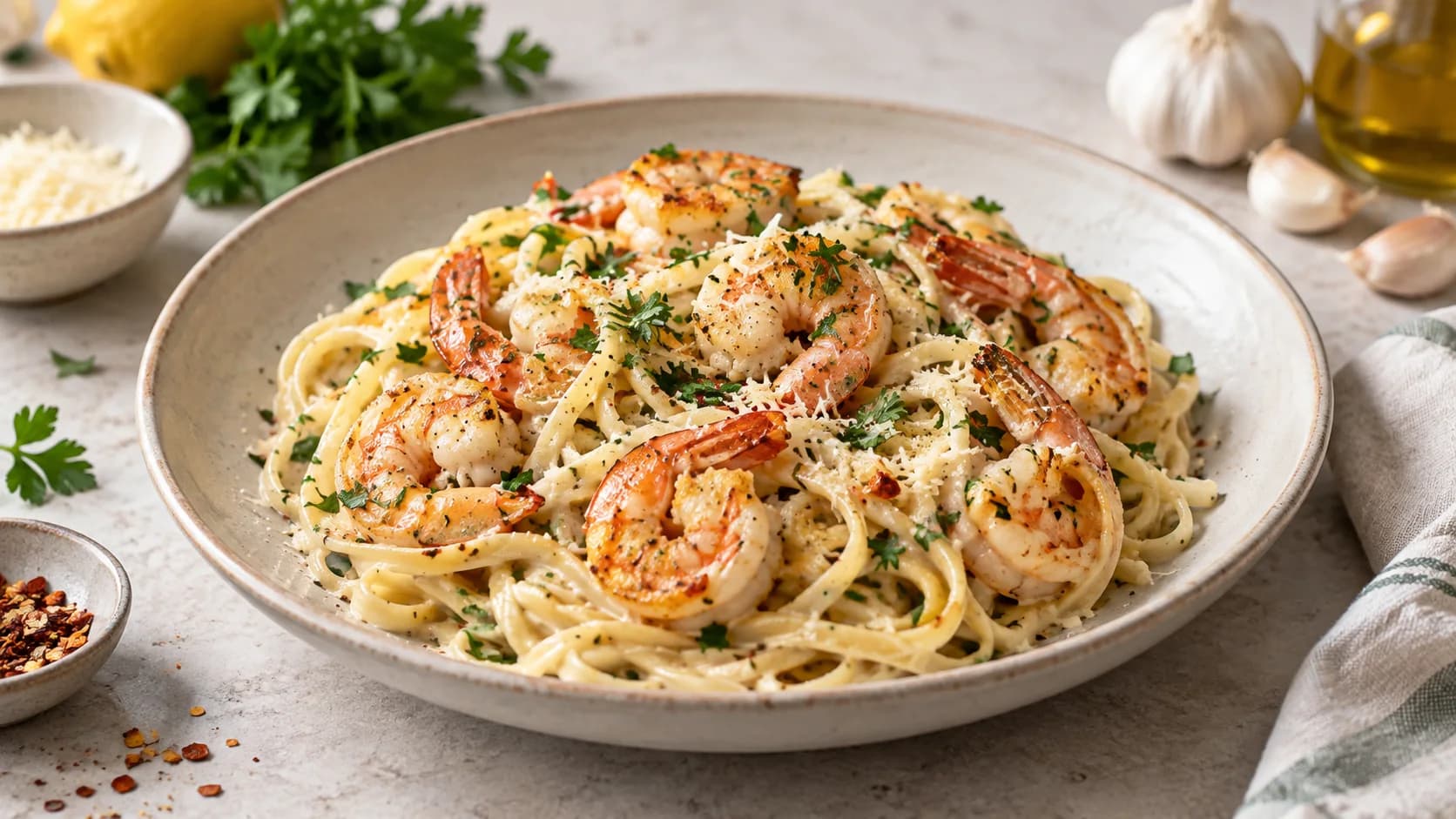
Creamy Garlic Shrimp Pasta
A glossy garlic-Parmesan cream sauce with real pan-seared shrimp — not shrimp boiled in cream until the pasta is ready.
Open →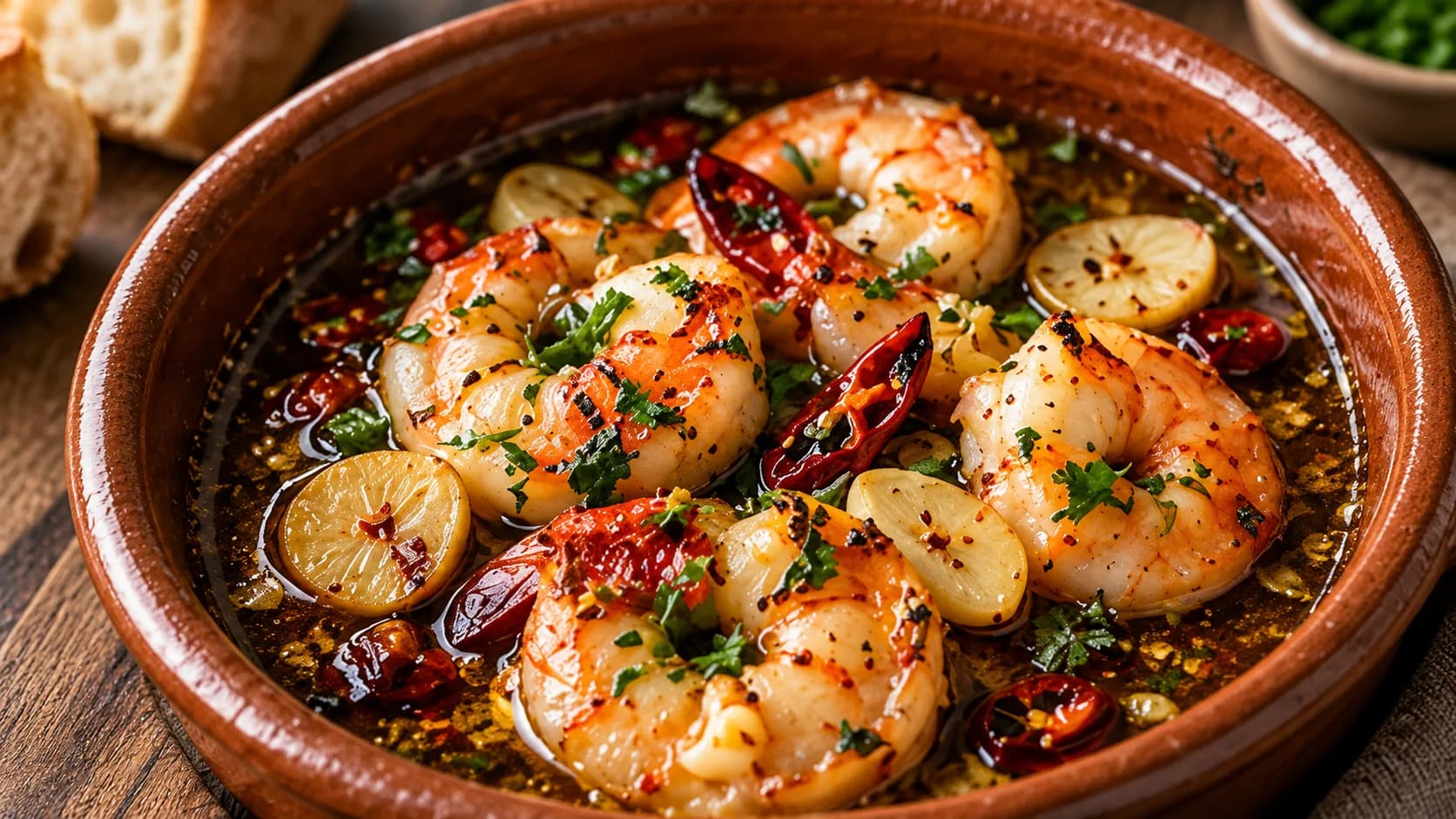
Gambas al Ajillo
Spanish garlic shrimp in deeply aromatic olive oil: sweet garlic, chile and smoked paprika around shrimp cooked fast enough to stay tender.
Open →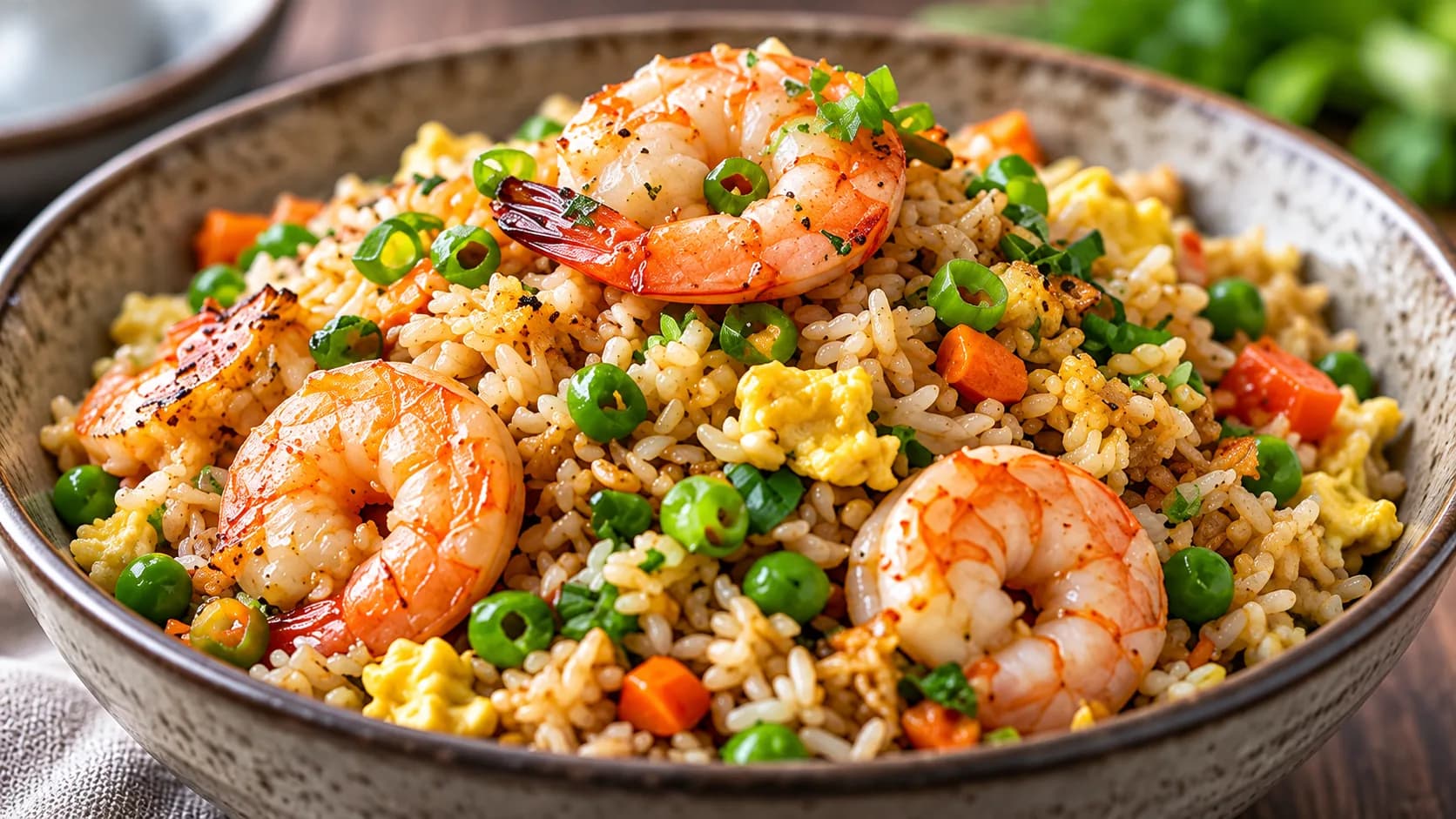
Shrimp Fried Rice
Separate grains, browned shrimp and a fast savory finish — built by cooking the shrimp first, getting them out, then letting cold rice take the heat.
Open →SPECIES INTERSECTION
Which shrimp fit this method?
Now that the technique is explicit, species fit has context. Good matches provide enough size, structure, or handling margin for this method; watch and avoid states stay visible.
PRODUCT INTERSECTION
Real bags that fit
These catalogue products clear the method recommendation. Product processing still has the final say, so each bag opens into its own full verdict.
PROCESSING INTERSECTION
Processing can change the answer
A species can be a good fit while a specific bag is not. These processing states are the ones the recommendation engine treats as relevant to this method.
Over-sulfited shrimp above roughly 100 ppm is described by the extension literature as translucent, glassy, plump, slippery and explicitly HARD TO COOK. That is a chemical-residue diagnosis, not a technique failure, and readers currently blame themselves for it. Note also that sulfite concentrates in the non-edible parts - whole samples run up to four times the level of edible parts - so it bears on whether the heads can be used for stock.
A treated shrimp still poaches, simmers and boils exactly as its group predicts - it simply weeps. But no species is firm enough or large enough to sear a crust through 5-25% added mobile water: the pan spends the entire ~100-second budget boiling off exudate at 100C and never reaches the 140C the surface needs. So for grill and pan_sear the state wins outright, and a Group A jumbo behaves worse than an untreated Group B shrimp would.
Hardness is an integral of time at temperature, and cook loss, shrinkage and hardness correlate at 97.8, 92.3 and 88.4 percent. Every reheat moves further up the same monotonic curve and nothing re-hydrates. The only technical route back is very prolonged braising, which softens via collagen-to-gelatin at the cost of everything else. DIRECT ANSWER to the brief's question: for a precooked salad-shrimp bag, Group B membership no longer decides anything about METHOD - R15 has decided all eight cells. What group membership still decides is flavour framing (what to dress it with) and the purchasing lesson (that raw-grade amaebi is a different product on the same shelf). Therefore the Use block must ask what STATE the bag is in BEFORE it asks what species it is.
WHY IT WORKS
The cooking logic underneath the method
The method page should teach a cook how to execute first. The science belongs here to explain the result, not to replace the methodology.
Pan sear, explained
Surface water holds the shrimp near water's boiling point until it evaporates, while useful browning needs a much hotter surface. Because shrimp cook in minutes, moisture management is the technique—not a side tip.