


THE SPECIES ITSELF
What makes this shrimp different?
Already red in the bag, richer than they look, and done before you think they are.
Use the scientific name when a common market name could be ambiguous.
Already red in the bag, richer than they look, and done before you think they are.
Retail naming varies. The exact bag still needs its own identity check.
Open a real product record to see count, form, treatment and retailer observations.
Species-specific exceptions to the group rules
- Treat it as the more fragile member and cook shorter. Two to three minutes in a pan, or simply return the pot to a boil and stop. Do not salt the cooking water - it carries its own salinity from deep water. Note that practitioners report BOTH mushy and rubbery failure modes, not just rubbery.
BUYING INTERSECTION
How to buy it
Verify the identity. 'Royal red' is used loosely in commerce, while the U.S. market-name mapping for true royal shrimp points to Pleoticus robustus.
METHOD INTERSECTION
Best cooking methods
Butter poach is the safest premium treatment; short pan work and careful baking can also work. Grill deserves more caution than it does for Argentine red.
RECIPE INTERSECTION
Recipes that fit Royal red shrimp
These published Playbooks use methods that this species clears. The recipe remains the authority for exact count, form, doneness and bag recommendations.
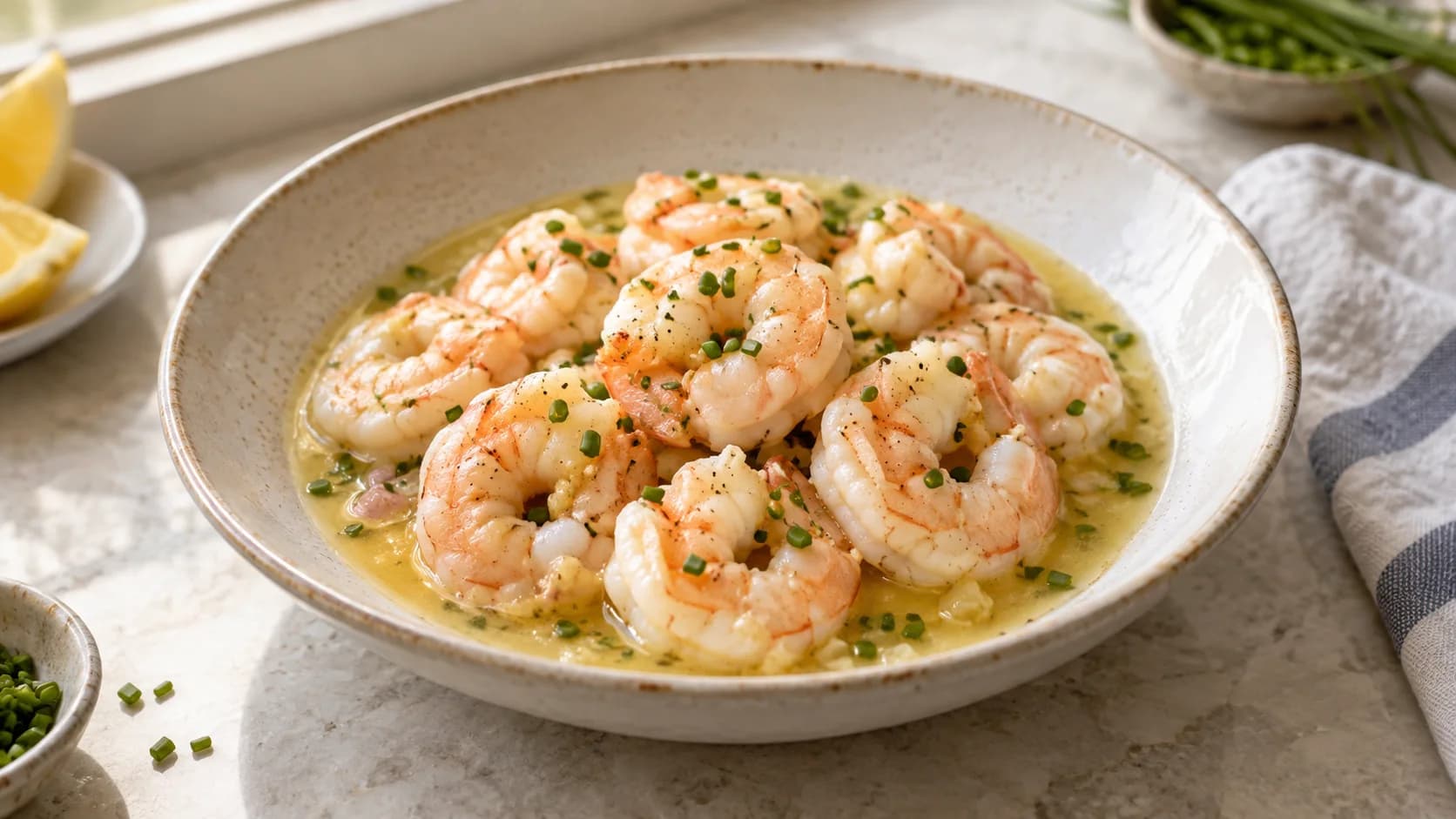
Butter-Poached Shrimp
A low-temperature butter emulsion turns large sweet shrimp glossy and tender. This is precision over sizzle: hold the butter below frying temperature and let the shrimp finish gently.
Open →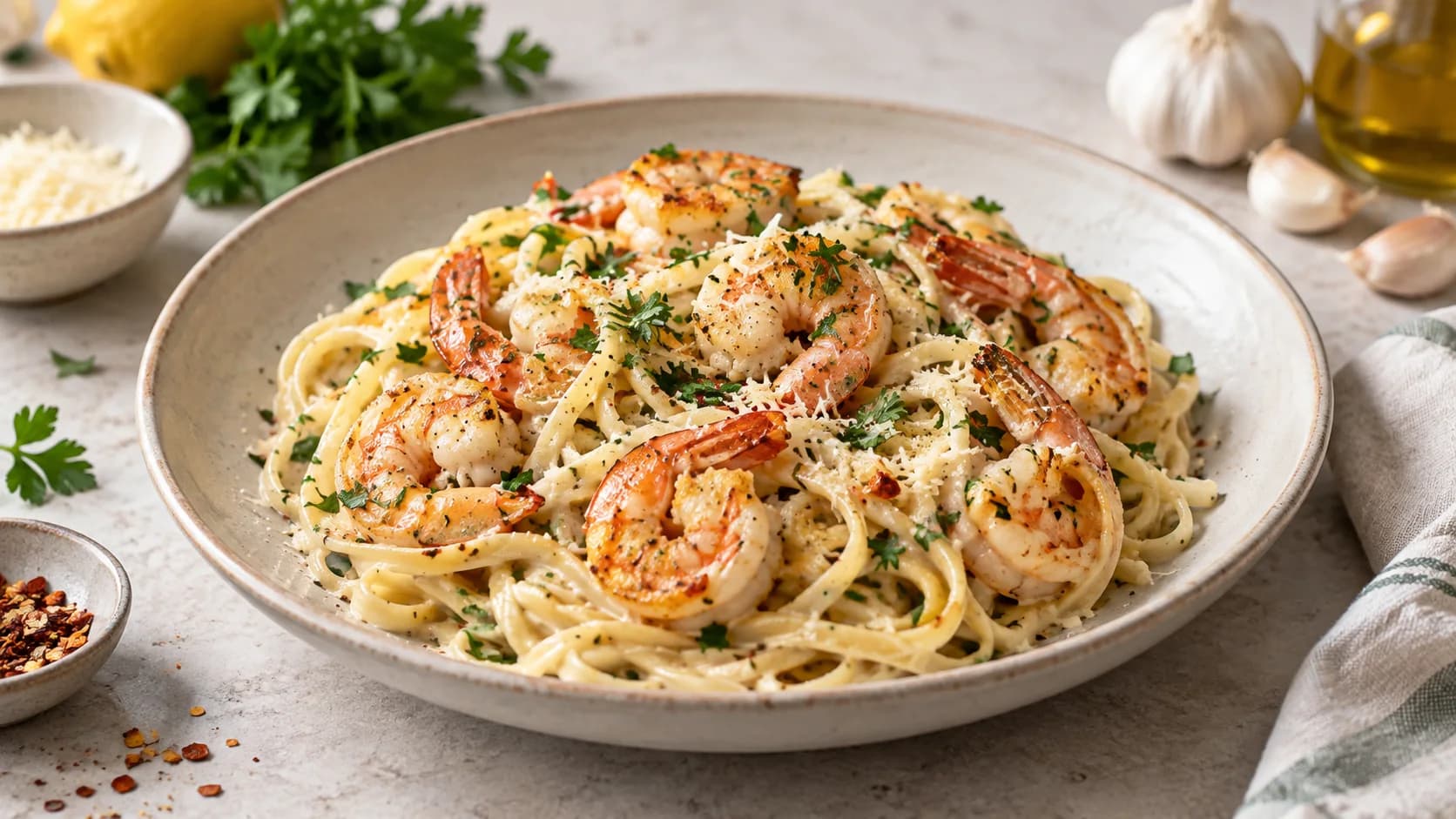
Creamy Garlic Shrimp Pasta
A glossy garlic-Parmesan cream sauce with real pan-seared shrimp — not shrimp boiled in cream until the pasta is ready.
Open →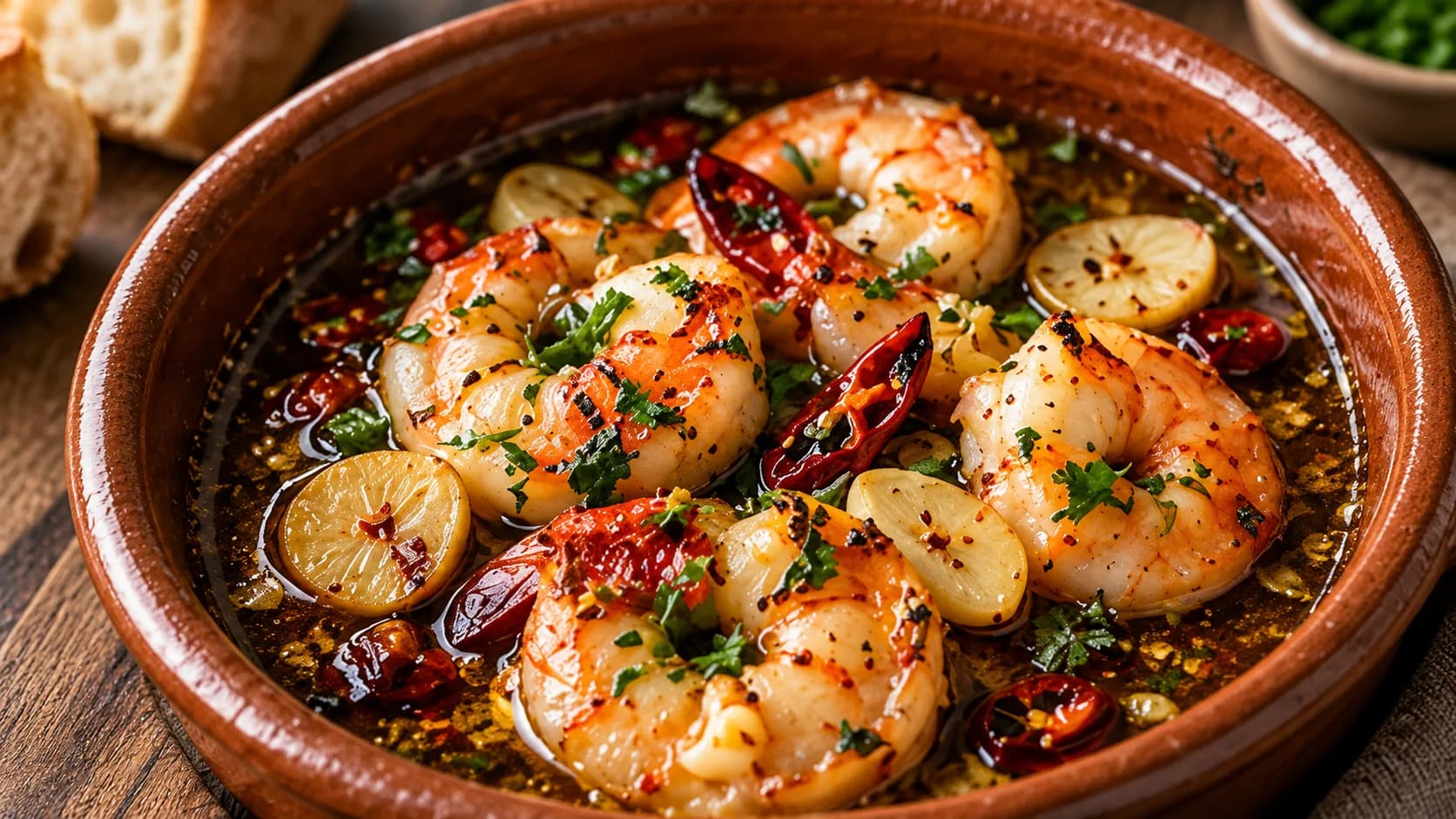
Gambas al Ajillo
Spanish garlic shrimp in deeply aromatic olive oil: sweet garlic, chile and smoked paprika around shrimp cooked fast enough to stay tender.
Open →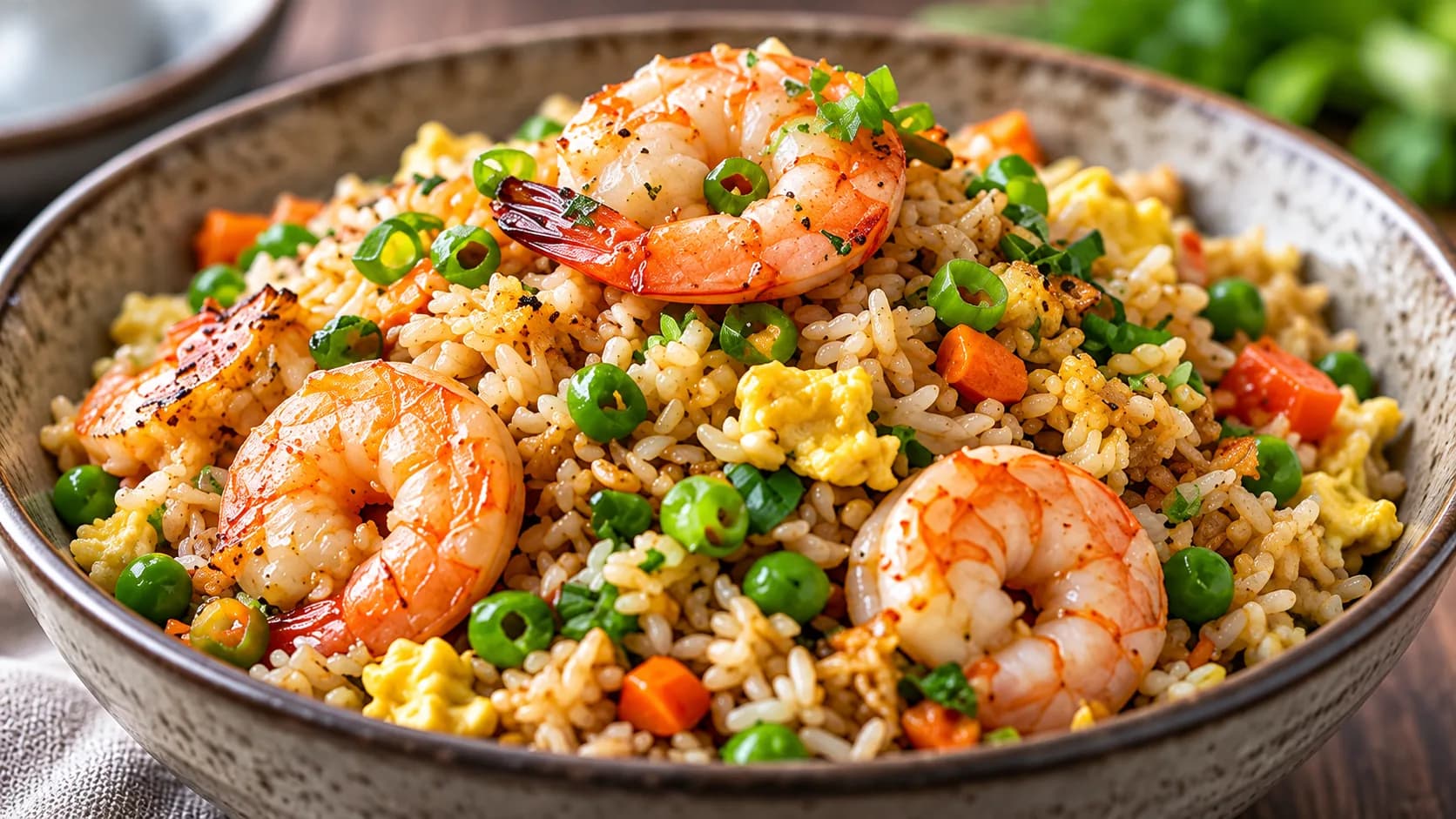
Shrimp Fried Rice
Separate grains, browned shrimp and a fast savory finish — built by cooking the shrimp first, getting them out, then letting cold rice take the heat.
Open →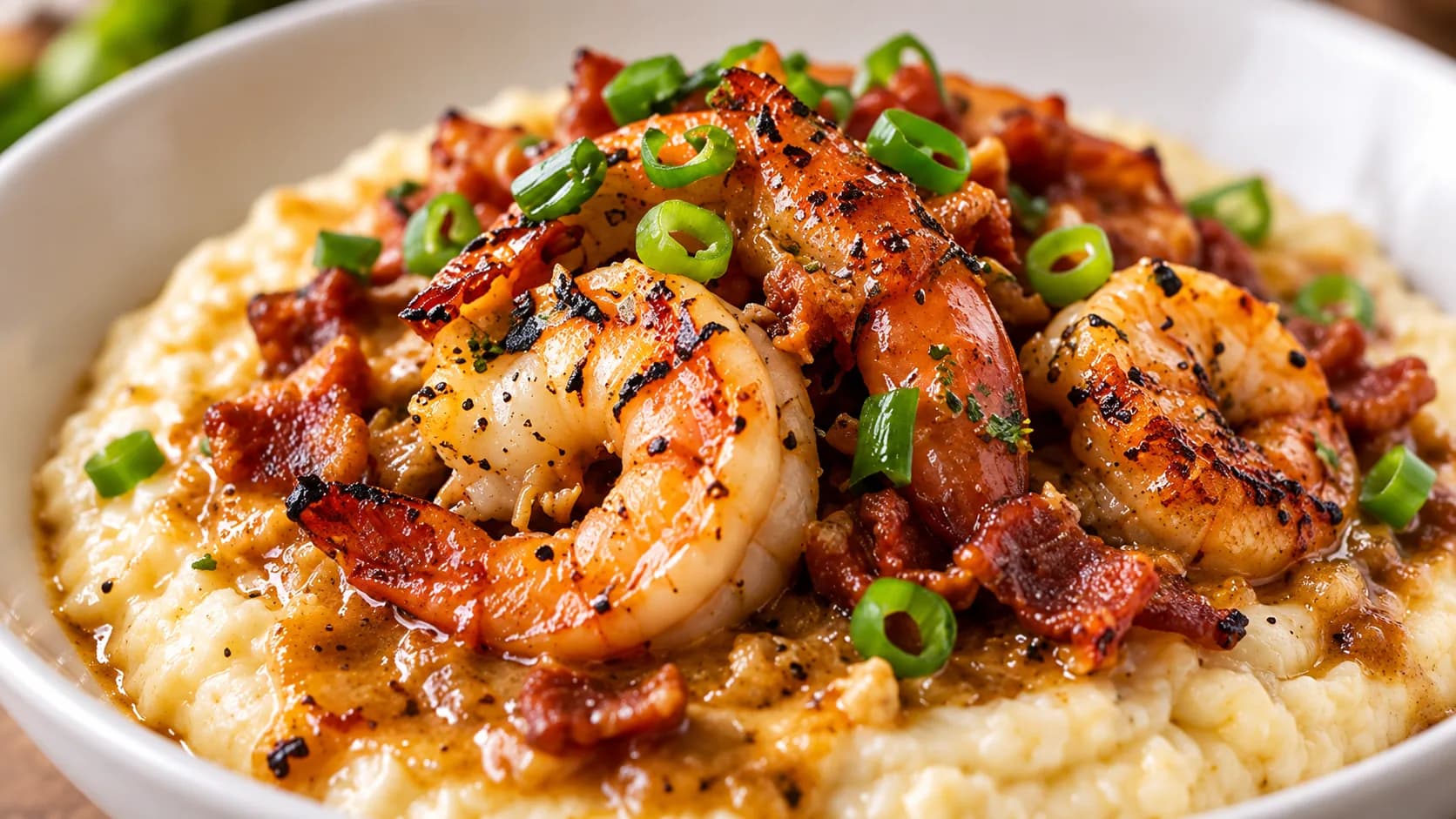
Shrimp & Grits
Creamy stone-ground grits, smoky pan gravy and shrimp seared fast enough to stay juicy — the Lowcountry classic built around the shrimp instead of cooking past it.
Open →
Garlic Butter Shrimp Scampi
Buttery, garlicky and bright, with a real sear first and a glossy lemon-wine butter sauce built after the shrimp comes out.
Open →PRODUCT INTERSECTION
Real products identified as this species
These are the same retail records used in the buying section, exposed here as product-level decisions. Open a bag to see treatments, retailer observations and method fit.
21/25 shrimp per lb · previously frozen
PROCESSING INTERSECTION
The bag can override the species
General species behavior is only one input. Raw/cooked state, phosphate or sulfite treatment, thawing and shell form can materially change the answer.
Hours to days of chilled transport happen first, with autolysis running the whole time - and for pandalids that clock is fast, with myosin heavy chain degradation detectable within five hours on ice. Then the product freezes, often as a block with a long thermal path to the centre, so interior shrimp cross the damage band slowly. The physics is peer-reviewed; the block-versus-IQF comparison itself is industry assertion, with no head-to-head trial found.
Over-sulfited shrimp above roughly 100 ppm is described by the extension literature as translucent, glassy, plump, slippery and explicitly HARD TO COOK. That is a chemical-residue diagnosis, not a technique failure, and readers currently blame themselves for it. Note also that sulfite concentrates in the non-edible parts - whole samples run up to four times the level of edible parts - so it bears on whether the heads can be used for stock.
Freezing rate sets ice crystal size: above 2 cm/h gives 10-50 micron crystals confined to interstitial spaces, against 100-300 micron dendritic crystals that pierce membranes below 0.5 cm/h. Frozen at sea crosses the -1 to -5C damage band once, fast, hours after capture, and before autolysis has run. It is also what underwrites raw service for Groups B and C, and it is why royal red and Argentine red are frozen on board as standard - the heads degrade at surface temperature. Note the state does NOT by itself satisfy the Food Code parameters: commercial product held at -18C does not meet the -20C for 7 days requirement.
A treated shrimp still poaches, simmers and boils exactly as its group predicts - it simply weeps. But no species is firm enough or large enough to sear a crust through 5-25% added mobile water: the pan spends the entire ~100-second budget boiling off exudate at 100C and never reaches the 140C the surface needs. So for grill and pan_sear the state wins outright, and a Group A jumbo behaves worse than an untreated Group B shrimp would.
This is previously-frozen product that has taken an extra freeze-thaw cycle plus an unknown period at counter temperature - time spent walking through both the cathepsin optimum band and the bacterial growth range. Freeze-thaw damage is monotonic in cycles: after 21 cycles colony counts and TVB-N exceed the edible standard, with hardness, elasticity and chewiness all declining, and the published recommendation is fewer than eight. The consumer consequence is blunt and worth stating plainly on every page: buying the same product still frozen and thawing it once at home is strictly less damage.
Hardness is an integral of time at temperature, and cook loss, shrinkage and hardness correlate at 97.8, 92.3 and 88.4 percent. Every reheat moves further up the same monotonic curve and nothing re-hydrates. The only technical route back is very prolonged braising, which softens via collagen-to-gelatin at the cost of everything else. DIRECT ANSWER to the brief's question: for a precooked salad-shrimp bag, Group B membership no longer decides anything about METHOD - R15 has decided all eight cells. What group membership still decides is flavour framing (what to dress it with) and the purchasing lesson (that raw-grade amaebi is a different product on the same shelf). Therefore the Use block must ask what STATE the bag is in BEFORE it asks what species it is.
MARKET CONTEXT
Where this shrimp sits in the market
Market-share material is context only, not a cooking recommendation. Estimates keep their geography and time period attached.
0.005–0.03% US retail
US retail · 2024-2025 basis
178,948 lb landed 2024, reported. A regional Gulf and Florida retail item.
This is an estimate, not an exact market fact.